The Warehouse Aisle Is Winning: How Private-Label Supplements Are Reshaping What We Pay (and Who We Trust)
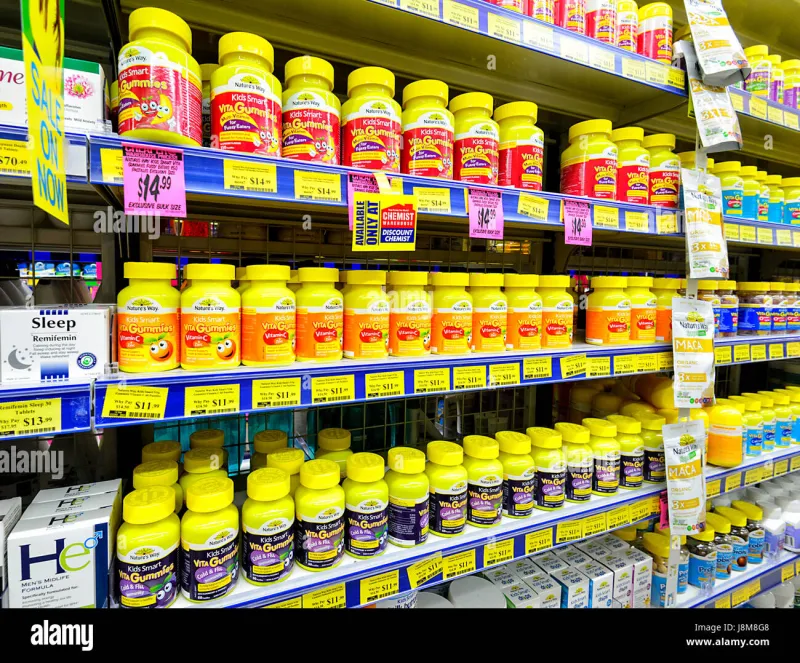
Photo: warehouse store supplement aisle vitamin bottles shelf, via c8.alamy.com
Walk into a Costco on a Saturday and you'll pass pallets of Kirkland Signature fish oil stacked like firewood. Ten years ago, that shelf space belonged to name brands. Today, the store's own label is often the bestseller — and it's not just Costco. Amazon pushes its own house brands into the top search results, Target and Walmart have built out impressively deep private-label vitamin lines, and even Trader Joe's sells a surprisingly competent magnesium at a fraction of specialty-store prices.
We've been covering this shift piece by piece, but it's worth zooming out: the supplement aisle is consolidating, and private label is the reason. Whether that's good for your health — and your wallet — depends heavily on what you're buying.
Why Store Brands Got Good
Here's the part most shoppers don't realize: a huge slice of the supplement industry runs on the same small number of contract manufacturers. Your name-brand vitamin D and the store-brand version sitting next to it may come off overlapping production lines, just with different labels and very different price tags.
Private label used to mean "cheap knockoff." Now it often means "same factory, less marketing budget." The store isn't paying for celebrity endorsements, influencer sponsorships, or a booth at the Expo. You're mostly paying for the capsule and what's inside it.
That doesn't automatically make every store brand great — but it explains why the gap in quality has narrowed so dramatically in certain categories.
Where the Store Brand Is a No-Brainer
Single-ingredient vitamins and minerals. Vitamin D3, vitamin C, basic B-complex, calcium, iron. These are commodity ingredients with well-established manufacturing processes and inexpensive third-party testing. When we've compared warehouse-store basics against boutique equivalents, the lab results frequently look nearly identical. A Kirkland vitamin D at a few cents per dose is very hard to argue against.
Fish oil. Costco's omega-3s have earned third-party certifications and routinely pass oxidation checks that trip up pricier bottles. The economics are simple: massive production volumes mean fresher raw material turnover.
Creatine monohydrate. Creatine is creatine. It's one of the most studied supplements on earth, the raw material comes from a handful of large chemical suppliers, and paying a premium for a fancy tub is mostly paying for the tub.
Protein powder basics. Whey concentrate from a major store brand won't have the flavor range of a boutique label, but the protein content per serving often matches or beats the big names.
Where You Should Still Be Picky
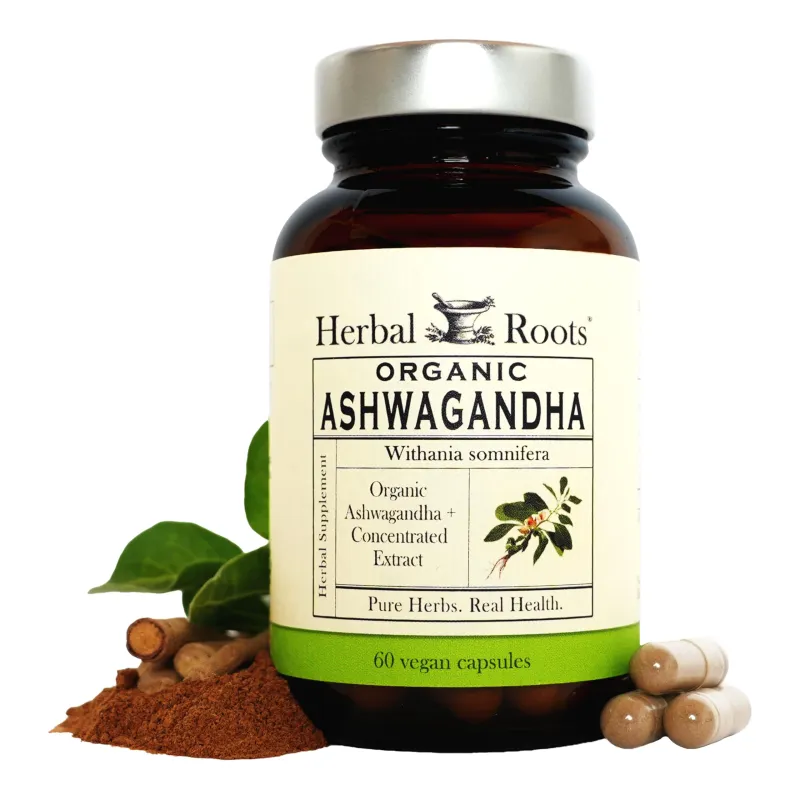
Herbal blends and "wellness" formulas. Adaptogen stacks, greens powders, proprietary-blend sleep formulas — this is where private label gets dicey. Herbal extracts vary wildly in potency depending on sourcing and standardization, and store brands rarely publish the kind of sourcing transparency that boutique specialists do. A $12 store-brand ashwagandha might be a fine root powder; it might also be an underdosed afterthought. Without a CoA, you're guessing.
Anything with a dose that matters. If a product's efficacy hinges on a specific extract ratio or a patented ingredient (think Curcumin formulations or branded berberine), check whether the store brand actually uses the same standardized form — or a cheaper lookalike.
Probiotics. Strain specificity matters enormously here, and store labels tend to be vague about which strains they're using and in what quantities at expiration.
The Amazon Wrinkle
Costco has real accountability — it's a single company with its reputation on every pallet. Amazon is a marketplace, which means house-brand listings can sit alongside third-party sellers, and fulfillment commingling can mix authentic stock with counterfeit. We've written before about dodging fakes online; that risk is lower but not zero for house brands, and it's worth buying directly from the listing Amazon controls rather than a marketplace seller.
The Bottom Line
The GNC-in-every-mall era is over, and what's replacing it is cheaper, blander, and — for the basics — often just as effective. Our rule of thumb: buy store brand for simple, single-ingredient staples with third-party certification. Pay the premium for complex herbal formulas where sourcing and standardization actually change the product. Your wallet will notice the difference; your bloodwork probably won't.