Two Scoops, Two Very Different Realities: What Lab Reports Reveal About Warehouse Protein vs. Boutique Brands
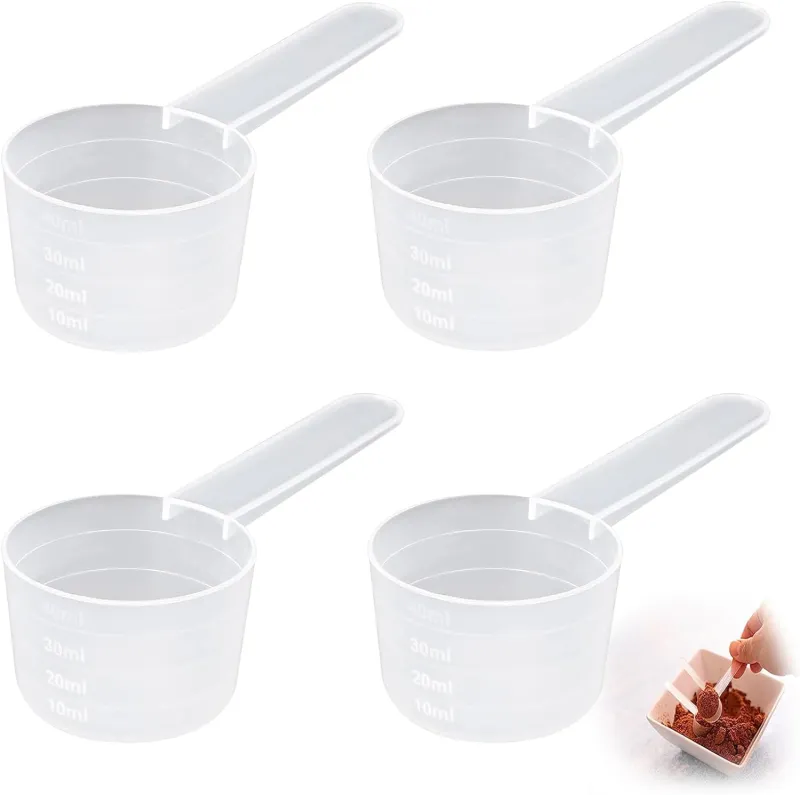
Photo: protein powder tub scoop on kitchen counter warehouse store, via m.media-amazon.com
There's a moment every supplement shopper knows well. You're standing in the warehouse aisle, holding a 5-pound tub of protein that costs less than half of what the fancy stuff runs at the specialty store, and you're wondering: am I getting a steal, or am I getting played?
The honest answer is: it depends, and the difference isn't always visible on the label. It shows up in lab reports.
What Third-Party Testing Actually Catches
Independent labs like Labdoor and ConsumerLab run the checks that matter: does the protein content on the label match what's in the tub? Is it contaminated with heavy metals? Does it actually dissolve into something drinkable?
Here's where it gets interesting. Warehouse-store proteins — think Kirkland Signature, Member's Mark, and similar store brands — often perform surprisingly well on the headline numbers. Several Costco and Sam's Club protein powders have posted protein accuracy scores in the 95–105% range, meaning the label claims hold up. That's the good news, and it's genuinely good news.
But testing has also surfaced the pattern that gives warehouse protein its mixed reputation:
- Amino spiking in budget formulations. Cheap amino acids like glycine, taurine, and creatine are sometimes added to inflate the nitrogen reading that older protein tests rely on. Newer lab methods that measure actual amino acid profiles have caught several budget powders doing this. Glycine costs pennies; whey protein isolate doesn't.
- Inconsistent batch quality. A warehouse tub that tests clean one year can test differently the next, especially when the brand quietly switches co-packers or raw material suppliers between production runs.
- Heavy metal variance. Plant-based proteins — including some warehouse organic blends — have shown elevated cadmium and lead in independent testing. Rice and pea protein concentrate are common culprits.
Why Boutique Brands Usually Win the Testing Game
Boutique and performance-focused brands aren't automatically better — plenty of them are just marketing with a nicer label. But the ones that invest in third-party certification (NSF Certified for Sport, Informed Choice, USP verification) have a structural advantage: they're paying for every batch to be tested, and they're paying for the testing to be public.
Warehouse store brands, by contrast, typically rely on internal quality control or supplier certificates of analysis. That's not necessarily sketchy — it's just less transparent. You're trusting the supply chain rather than verifying it.
There's also the flavor-and-mixability factor. Warehouse proteins often taste great because they lean into flavoring systems and sweeteners that mask lower-grade protein. If your chocolate peanut butter shake tastes like a milkshake, that's not evidence of quality protein. It's evidence of good flavoring.
The Real-World Experience Gap
Scroll through Reddit's r/Fitness or the reviews on any warehouse protein listing and you'll find the pattern: most people are thrilled, a vocal minority are furious. The complaints cluster around clumping, a chalky aftertaste, digestive issues (a sign of higher lactose content in whey concentrate), and — occasionally — a batch that tastes or mixes noticeably different from the last tub.
That last complaint matters. Warehouse retailers rotate suppliers. The protein you loved in March might be made in a different facility with different raw materials by September. Boutique brands with fixed formulations and certified manufacturing have more consistency, which is exactly what you're paying extra for.
Your Decision Framework
So how do you shop smart? Here's the framework we use at SupplementFind:
1. Match the product to the risk. Whey protein from a warehouse club is a low-risk purchase — it's a commodity, the testing generally holds up, and the savings are real. Something like a greens powder, an adaptogen blend, or anything with proprietary formulations carries more risk in a bulk setting, because there's more room to hide behind fillers.
2. Check for a certification seal before checking the price. If a warehouse protein carries NSF, USP, or Informed Choice certification, the value proposition is nearly unbeatable. If it doesn't, you're trusting the store's buyer — which is fine for paper towels, riskier for what you're putting in your body daily.
3. Look at the protein source, not just the protein grams. "Protein blend" on a warehouse label often means whey concentrate padded with cheaper amino acids. Look for whey isolate or a single named protein source high on the ingredient list.
4. Buy plant-based proteins with extra scrutiny. The heavy metal data on warehouse organic plant proteins is the weakest area across the board. If you're vegan, this is where the boutique premium buys you something real: tested, verified, lower-contaminant ingredients.
5. Factor in how much you actually use. If you go through a tub a month, a $60 boutique tub is a real budget hit. If you have two scoops a week, the savings from buying bulk are irrelevant — spend the extra money on the tested product.
The Bottom Line
The warehouse club isn't a scam, and the boutique brand isn't automatically snake oil. Costco and Sam's Club have driven real value into categories like whey protein, creatine monohydrate, and basic vitamins — often matching or beating boutique quality per dollar. The corners get cut in the less glamorous places: batch consistency, supply chain transparency, and the fine print on protein blends.
Read the label like an investigator, check for a certification seal like a skeptic, and let the lab reports — not the price tag — settle the debate.