Why Your Dream Multivitamin Is Sitting on a Shelf in Tokyo (and Legally Can't Be in Your Cart)

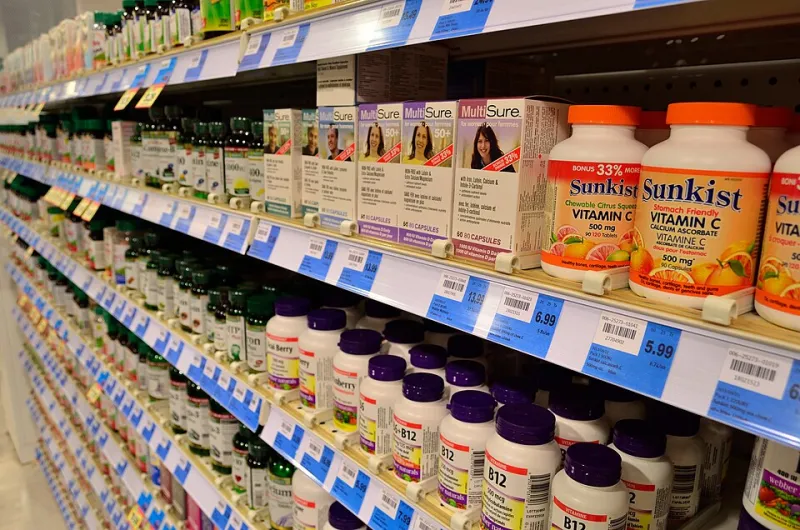
Photo: RohamRasouliPour, CC BY-SA 4.0, via Wikimedia Commons
Scroll through a UK wellness forum or a Japanese pharmacy haul video and you'll spot it: a whole world of supplements that just... don't exist on American shelves. Lower-dose multivitamins. Stricter quality rules. Products that get pulled from the market for making claims that would slide right past the FDA here.
So what's going on? Why can't you just buy the stuff? And more importantly — is any of it actually better, or does it just look cooler in the packaging?
The Short Version: America Regulates Differently (Not Necessarily Worse)
Here's the thing most people get backwards. In the US, dietary supplements are regulated under DSHEA — a 1994 law that treats them a lot like food. Manufacturers don't need FDA approval before selling a product. The FDA mostly polices the market after products are already out there.
In the European Union, many supplements fall under food law too, but with much tighter dose limits. Germany and other member states cap certain vitamins at levels that would look tiny next to a typical American megadose product. A German vitamin B6 supplement might contain a few milligrams; the bottle next to it at your local GNC might have 100 mg.
Japan takes yet another approach with its "Foods with Functional Claims" system — products go through a government review process before making health claims. And Australia regulates many supplements as "complementary medicines," requiring them to be listed with the Therapeutic Goods Administration and carry the AUST L number on the label.
Different philosophies, different shelves.
Why the Doses Abroad Are So Much Smaller
This is the part that surprises American shoppers most. Walk into a pharmacy in Paris or Tokyo and the multivitamins look almost... modest.
There's a logic to it. European regulators tend to treat upper limits more conservatively, aiming to prevent people from stacking multiple fortified foods and high-dose supplements and accidentally overdoing it. The EU has also moved to restrict certain forms — like the ban on heme iron and some herbal ingredients that never faced the same scrutiny here.
Does that mean lower is automatically better? Not exactly. If your doctor has diagnosed an actual deficiency, the higher therapeutic doses common in US products can be exactly what you need. But for a general "insurance policy" multivitamin, the European philosophy of topping off small gaps — rather than megadosing — arguably makes more sense for a lot of people.
The Products You Literally Cannot Buy Here
A few categories exist overseas that have no true American equivalent:
- Foods for Special Medical Purposes (FSMPs). In the EU and UK, these are clinically formulated products — think medical nutrition for specific conditions — sold under pharmacy oversight. The US has medical foods, but the regulatory framework and retail availability differ a lot.
- Pharmacy-only supplements. In parts of Europe, higher-dose products sit behind the counter, with a pharmacist actually talking to you about them. In the US, the same strength sits next to the gum at the checkout.
- Tightly standardized herbal products. German Commission E monographs have guided herbal medicine use for decades, with defined dosing and quality standards. The US herbal market is far more of a free-for-all.
The frustrating part for American shoppers: importing some of these yourself can run afoul of FDA personal import rules, and products sold abroad sometimes contain ingredients or doses the FDA hasn't cleared. It's not just red tape — sometimes it's genuinely murky legal territory.
What's Actually Worth Bringing Home From Your Trip
Okay, you're in Tokyo with an empty suitcase and good intentions. Here's our honest take:
Worth the luggage space:
- Japanese pharmacy skincare-adjacent supplements with transparent labeling and batch testing
- European pharmacy-brand multivitamins if you prefer the lower-dose philosophy — just check whether the doses make sense for your needs
- Anything with an AUST L number from Australia — that listing at least means someone reviewed the product
Probably a waste of the suitcase:
- Anything you can already buy domestically from a third-party-tested brand
- Trendy products with no English labeling you can't actually verify
- Cheap souvenirs from airport shops — the same markup logic applies everywhere
And a practical note: check customs rules before you fly. Some countries restrict what you can bring back, and liquids or herbal products can complicate things.
The Real Takeaway for Your Shopping Cart
You don't need a passport to shop smarter. The European and Japanese approach teaches a lesson you can apply at any CVS in America:
- More isn't better. Compare doses against the recommended daily allowance, not against whichever bottle brags the biggest numbers.
- Look for third-party verification. NSF, USP, and Informed Choice seals are the closest thing we have to the oversight built into other countries' systems.
- Buy from pharmacy-adjacent channels when possible. The European model of pharmacist involvement is a good reminder that a quick conversation with a real healthcare provider beats a five-star review.
The grass isn't always greener — but sometimes it's dosed more sensibly. Shop like a skeptic, wherever you are.