Ashwagandha in Everything: When the Dose Actually Matters (and When It's Just Marketing)
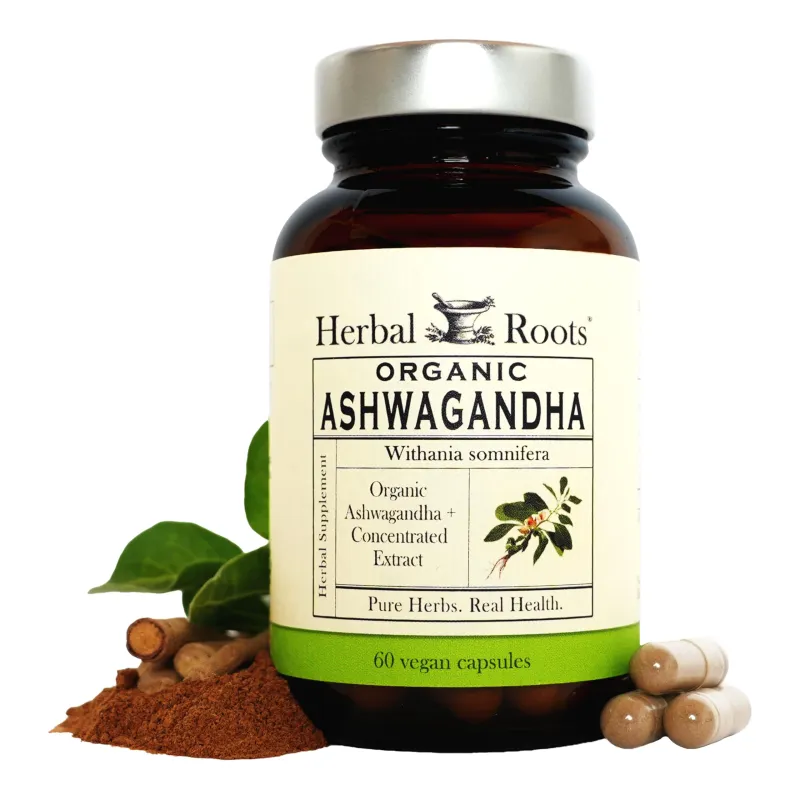
Photo: ashwagandha supplement capsules and powder on store shelf, via ariavit.ca
Walk down the supplement aisle at any Target, CVS, or Whole Foods in America and you'll spot it: ashwagandha. It's in sleep gummies, stress chews, protein powders, sports drinks, and at least one sparkling beverage that promises to take the edge off your afternoon. Rhodiola, holy basil, and other so-called adaptogens have ridden the same wave.
The problem? Most of those products borrow credibility from research that used doses ten, twenty, sometimes fifty times higher than what's actually in the bottle. If you're spending money on an adaptogen for a specific reason — stress, sleep, workout recovery — the dose on the label is the whole ballgame. Here's how to tell the real thing from the fairy dust.
What the Research Actually Used
Ashwagandha is the most-studied adaptogen, and the clinical picture is fairly consistent. Trials looking at perceived stress and cortisol have typically used 300 to 600 mg per day of a concentrated root extract, most commonly a standardized extract known as KSM-66 (5% withanolides) or Sensoril (a root-and-leaf extract standardized to 10% withanolides).
A few takeaways from that body of research:
- Stress and cortisol: 300 mg/day of a standardized root extract is the most common effective dose, often taken for 6–8 weeks.
- Sleep: Doses in the 300–600 mg range, taken in the evening, show modest benefits in people with insomnia symptoms.
- Strength and recovery: Some sports studies used closer to 500–600 mg daily.
Rhodiola is a little fuzzier — studies generally used 200–400 mg of a standardized extract (3% rosavins, 1% salidroside), usually taken in the morning since it can feel mildly stimulating for some people.
Now compare that to the label on a popular stress gummy. Many contain 75 to 125 mg of ashwagandha, sometimes of an unspecified extract, sometimes as part of a blend. That's not automatically useless, but it's nowhere near what the studies tested. You're essentially buying a quarter-dose and hoping for a full-dose result.
Red Flags on the Label
Before you buy any adaptogen product, run it through this quick checklist:
- "Proprietary blend" at the top of the panel. If the blend total is 300 mg and it contains four herbs plus L-theanine, no single ingredient is at a meaningful dose. We've said it before about pre-workouts, and it applies double here.
- **No standardization listed." "Ashwagandha root" with no milligram breakdown and no withanolide percentage tells you nothing about potency. Look for "standardized to X% withanolides."
- "Adaptogen blend" marketing on drinks and lattes. A beverage with 50 mg of ashwagandha is a vibe, not a intervention. Enjoy it as a beverage; don't count it as your supplement.
- Leaf vs. root ambiguity. Traditional use — and most modern research — centers on the root. Leaf extracts have a murkier safety profile and are restricted in some countries.
Format Wars: Capsule, Powder, Gummy, or Drink?
Each format has trade-offs, and the right pick depends on your goal.
Capsules are the workhorse. Standardized extracts in 300 mg capsules make hitting a research-backed dose simple and cheap — often under $20 a month. Downside: zero fun factor.
Powders (including KSM-66 in bulk or in protein blends) offer dosing flexibility, and the earthy, slightly bitter taste is authentic — traditional preparations never pretended to be delicious. The catch: scoops vary, and blends rarely disclose per-serving amounts.
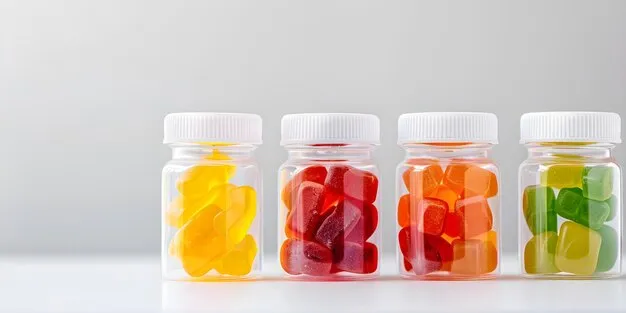
Gummies are the reason your ashwagandha now tastes like strawberry lemonade. They're fine for people who won't take capsules, but watch for low doses, added sugar, and heat degradation — gummies sitting in a hot delivery truck can lose potency faster than capsules.
Drinks and drink mixes are the newest frontier. Some, like certain recovery-focused mixes, include respectable doses of ashwagandha or rhodiola alongside other actives. Most, though, are dosed for flavor and marketing. Check whether the adaptogen amount is disclosed per serving; if it isn't, assume it's a garnish.
A Quick Buyer's Cheat Sheet
If you want what the studies studied:
- Ashwagandha: 300–600 mg/day of a standardized root extract (KSM-66 or Sensoril are the best-documented), split or taken once daily.
- Rhodiola: 200–400 mg/day of an extract standardized to 3% rosavins, taken earlier in the day.
- Third-party certification matters. Look for USP, NSF, or Informed Choice seals — the adaptogen category has had its share of quality-control problems, and heavy-metal contamination in poorly sourced ashwagandha is a documented issue.
- Give it time. Adaptogens aren't caffeine. Most trials ran 6–8 weeks before measuring outcomes.
One more note: ashwagandha can interact with thyroid medication and sedatives, and it's not recommended during pregnancy. Check with your doctor or pharmacist before adding it to a routine, especially if you take prescription meds.
The Bottom Line
The adaptogen boom isn't all hype — ashwagandha in particular has a genuinely respectable research base at the right dose. But the trend cycle has done what trend cycles do: taken a serious herbal extract and sprinkled it into everything with a wellness halo. Read the label, do the math against the clinical doses, and if a product won't tell you how much adaptogen is inside, spend your money on one that will.