Your Amazon Cart Might Be Lying to You: A Field Guide to Dodging Counterfeit Supplements Online

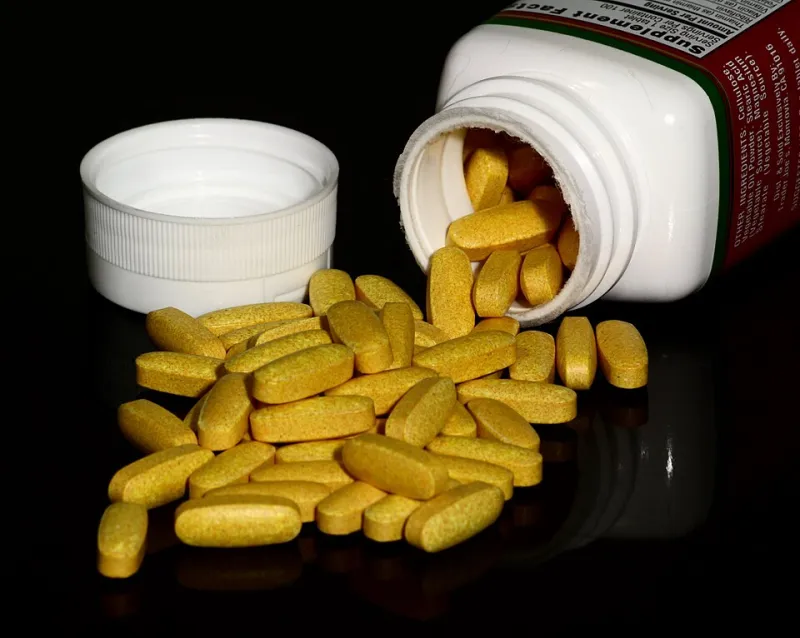
Photo: Haggis MacHaggis, CC0, via Wikimedia Commons
Here's an uncomfortable truth about shopping for supplements online: the listing you're looking at on a major marketplace might not be selling you the product you think it is. Not a different batch. Not last year's formula. A completely different substance in a convincing bottle.
We've spent a lot of time on this site talking about how to read labels and decode certification seals. But all of that diligence falls apart if the bottle that shows up at your door was filled by someone who has never set foot in the brand's actual facility. So let's talk about the counterfeit problem — and how to shop around it.
How Fake Supplements Actually Get to You
The mechanism is simpler and more boring than most people imagine. Marketplaces like Amazon operate on a commingled inventory system in some cases, meaning identical products from different sellers can be stored in the same bin. When you order, the warehouse ships whichever unit is closest. If one seller stocked that bin with counterfeits, they can get mixed in with legitimate stock.
Add to that the third-party seller model — where anyone can list a product under an established brand's listing — and you've got a system where accountability gets fuzzy fast. The brand whose name is on the bottle often has no control over who's actually selling it, and counterfeiters know this. They count on you trusting the brand, not the seller.
Red Flags Worth Taking Seriously
No single warning sign is conclusive, but stack a few of these together and you should walk away.
The price is too good. If a popular creatine or multivitamin normally runs $30 everywhere and one listing has it for $12 with free shipping, that's not a flash sale. Counterfeiters use steep discounts as their primary hook because it works.
The seller is anonymous or brand-new. Check who's actually fulfilling the order. A listing that says "Ships from and sold by" a name like "SUPPLEMENT_DEALS_4U_2024" with no track record deserves suspicion. Compare that to "Ships from Amazon" or the brand's own storefront.
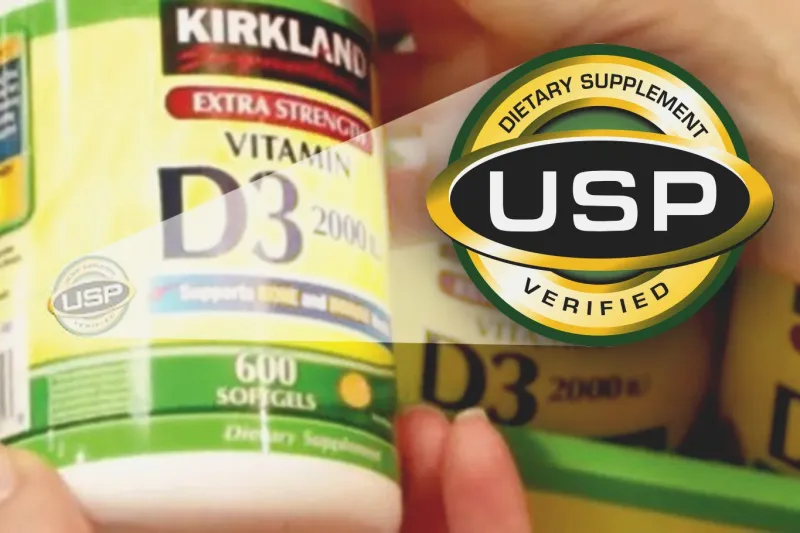
The packaging looks slightly off. Mismatched fonts, a certification seal that's the wrong color or missing entirely, lot numbers that don't scan, safety seals that look re-glued, or expiration dates that seem impossibly far out. Counterfeiters are good, but they rarely nail every detail.
The reviews feel wrong. A flood of five-star reviews posted in a short window, reviews that mention a different product entirely, or a sudden cluster of one-star reviews saying "this did nothing" or "tasted weird" — all worth noting. Read the recent negative reviews specifically. People who receive fakes often say so.
Verify Before You Buy
A few minutes of homework can save you a lot of grief:
- Buy from the brand's own storefront or website. Most reputable supplement companies sell direct, and many explicitly warn customers that they can't guarantee products bought from third-party marketplace sellers.
- Use batch lookup tools. Brands with third-party testing (NSF, USP, Informed Choice — we've covered these before) usually let you enter a lot number on their site to confirm the product is genuine.
- Check the brand's "authorized retailers" page. Companies typically list which sellers they actually work with. If a marketplace seller isn't on that list, that tells you something.
- When the bottle arrives, compare it. Photos on the brand's website, the seal placement, the lot number, the texture and smell of the product itself. Trust your gut — if your usual protein suddenly tastes like chalk and regret, stop taking it.
Why This Matters More for Supplements Than Other Products
A fake phone charger is annoying. A fake supplement can contain anything — unlisted pharmaceutical ingredients, banned substances, fillers with no quality control, or simply nothing active at all. FDA testing of imported and marketplace-sourced supplements has repeatedly turned up products spiked with drugs not disclosed anywhere on the label. If you're a tested athlete, a pregnant woman, or someone managing a health condition, the stakes aren't hypothetical.
The Bottom Line
Online marketplaces are convenient, and we're not telling you to abandon them entirely. But when it comes to what you put in your body, treat the seller as seriously as the brand. Buy direct when you can, verify batch numbers when you can't, and remember that in the supplement world, a deal that looks too good to be true usually isn't a deal at all — it's a decoy.