One Mineral, Three Personalities: Picking the Right Magnesium for Sleep, Cramps, or Gut Trouble

Photo: Ragesoss, CC BY-SA 3.0, via Wikimedia Commons
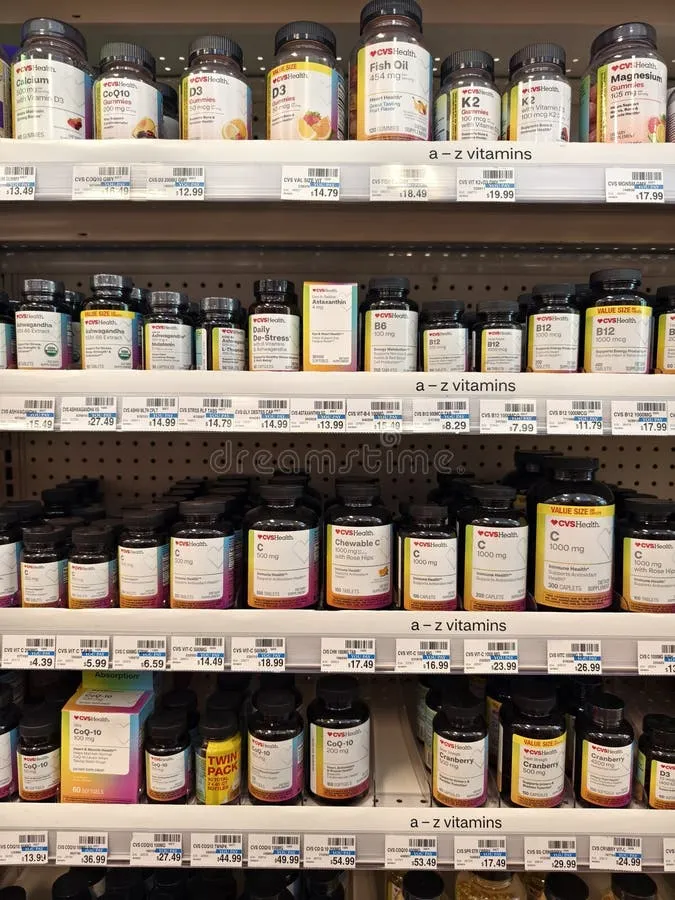
Scroll TikTok for five minutes and you'll find someone swearing magnesium fixed their sleep, their anxiety, their leg cramps, and their IBS — usually the same video, usually promoting a specific pink-labeled gummy. Meanwhile, the pharmacy shelf offers glycinate, citrate, oxide, malate, taurate, threonate, and a general sense of confusion.
Here's the honest version: the form of magnesium matters, the dose matters, and a lot of what you've heard is marketing. Let's sort it out.
First, Why Form Matters at All
Magnesium is always bound to something else — an amino acid, a salt — because on its own it's unstable. That binding partner changes how well the mineral gets absorbed and what side effects it causes. Elemental magnesium is what counts for dosing; the rest is delivery vehicle. A 500 mg capsule of magnesium oxide delivers maybe 120 mg of actual magnesium, and your gut absorbs a fraction of that.
Magnesium Glycinate: The Sleep-and-Anxiety Pick
Glycinate is magnesium chelated with glycine, an amino acid that itself has mild calming properties. It's gentle on the stomach and well absorbed, which is why it's become the default recommendation for sleep and stress.
What the research actually says: Evidence for magnesium improving sleep is real but modest — mostly in people who are already deficient. Same story for anxiety. If you eat a diet light on leafy greens, nuts, and whole grains (that's most Americans; roughly half of us fall short on magnesium), supplementing may genuinely help you feel calmer and sleep better.
Reasonable dose: 200–400 mg of elemental magnesium daily, taken in the evening. Look for "magnesium bisglycinate" on labels — it's the same thing, better named.
Magnesium Citrate: The Digestion Workhorse
Citrate is well absorbed and — famously — pulls water into the gut. That's why it's the active ingredient in over-the-counter bowel prep products. If your goal is regularity, citrate is the form with the clearest mechanism and track record.
What the research says: Solid for constipation. For muscle cramps? Weak. The cramp-magnesium link is largely a legacy belief; trials in athletes and older adults show little benefit unless a deficiency is involved.
Reasonable dose: Start low, around 200 mg elemental magnesium, and adjust. Too much and you'll know quickly.
Magnesium Oxide: Mostly Filler, Mostly Fine to Skip
Oxide is cheap, dense, and everywhere — it's what fills most budget multivitamins and dollar-store magnesium. The catch: absorption is poor, often cited around 4% in some comparisons. As a laxative it works. As anything else, you're mostly paying for expensive stool softener.
Verdict: If it's what you can afford and your goal is regularity, fine. If a premium brand is charging glycinate prices for oxide, that's a hard pass.
What About the Fancy Ones?
- Magnesium threonate crosses the blood-brain barrier more effectively in animal studies and is marketed for cognition. Human evidence is thin, and it's pricey. Interesting, not essential.
- Magnesium malate is pitched for fatigue and fibromyalgia. Evidence is preliminary.
- Magnesium taurate gets the heart-health hype. Also preliminary.
None of these are wrong; they're just not worth a 5x markup based on current data.
Quick Match Guide
- Sleep / stress: Glycinate, 200–400 mg elemental, evening
- Constipation: Citrate, start low
- Leg cramps: Only if you're deficient — otherwise skip
- Anxiety: Glycinate, with realistic expectations
- Budget laxative: Oxide does the job
A Few Cautions
Magnesium is generally safe, but it interacts with certain antibiotics and blood pressure medications, and people with kidney disease shouldn't supplement without talking to a doctor. And if a gummy gives you a full day's dose in two candy-flavored chews, check the sugar and the elemental magnesium math — gummies are notorious for under-delivering.
The unglamorous truth: if you eat spinach, almonds, black beans, and whole grains regularly, you may not need any of this. But if you're going to supplement, pick the form that matches the job — and skip the one that doesn't.