Store Brand or Splurge? A Shopper's Guide to Deciding What Your Vitamin D Is Actually Worth
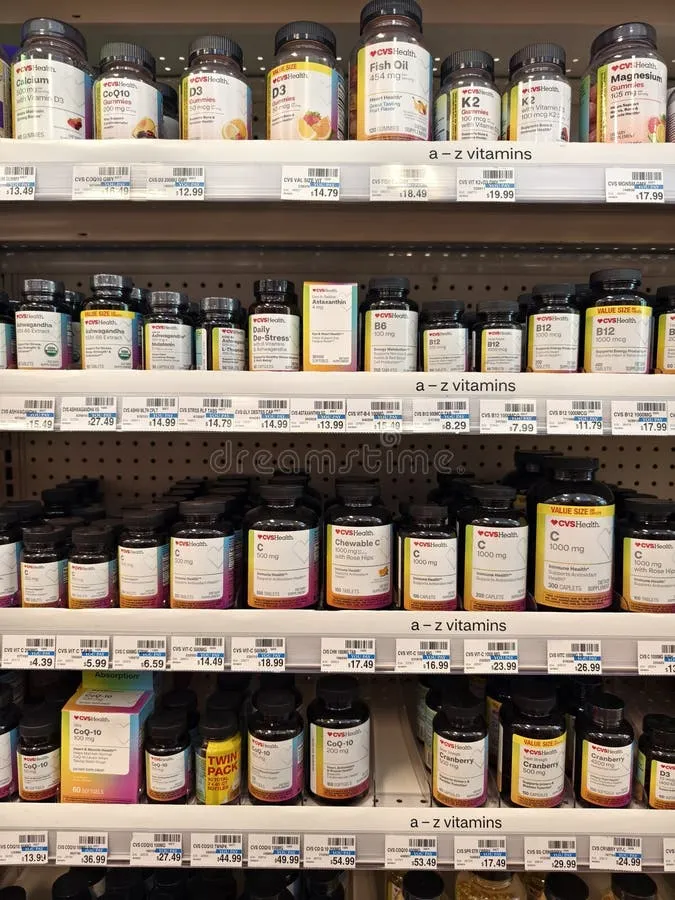
Photo: vitamin D supplement bottles compared on pharmacy shelf price tags, via thumbs.dreamstime.com
Walk into any CVS, Walmart, or Kroger in America and you'll find store-brand vitamin D3 for less than the price of a fancy coffee. Hop online and you'll find direct-to-consumer brands charging ten times that for essentially the same nutrient. Both bottles say 5,000 IU. Both promise bone health, immune support, and all the rest.
So which one do you buy? The honest answer: it depends on what you're actually paying for — and a lot of shoppers don't know what that is. Let's fix that.
What You're Actually Buying at Each Price Point
Vitamin D itself is cheap to manufacture. It's one of the most inexpensive raw materials in the entire supplement industry, which is why a bottle costing $4 can still be perfectly legitimate. When you pay more, you're generally paying for some combination of:
- Third-party testing and certification (USP, NSF, Informed Choice)
- Oil-based delivery and better absorption
- Cleaner ingredient lists (fewer fillers, allergen-free manufacturing)
- Marketing, packaging, and a subscription model
Notice that only the first two affect what happens in your body. The last one affects your wallet and nothing else.
The Case for Cheap: When Store Brands Win
For plain vitamin D3, budget options are often the smart buy — if they carry third-party certification. Look for the USP Verified mark on brands like Kirkland Signature (Costco), Nature Made, and Equate (Walmart). USP verification means an independent lab confirmed the product contains what the label claims, in the amounts claimed, without nasty contaminants.
A USP-verified 5,000 IU D3 softgel from Costco is, chemically speaking, doing the same job as a boutique capsule. If your goal is simply correcting a low vitamin D level — which roughly 40% of American adults could stand to do, especially in northern states come February — the cheap bottle is the rational choice. Your body does not care about your supplement's branding.
One form note: always pick D3 (cholecalciferol) over D2 (ergocalciferol). D3 raises and maintains blood levels of vitamin D more effectively, and it's what most quality products use anyway.
When the Premium Price Actually Buys Something
There are real scenarios where spending more makes sense:
1. You want verified dosing without doing the research. Premium brands like Thorne and Nordic Naturals build third-party testing into their business model and publish results. If you're taking higher doses long-term or giving supplements to family members, that verification has value.
2. You need a specific delivery format. D3 is fat-soluble, so oil-based softgels and liquid drops absorb better than dry tablets. Some budget tablets skimp here. Liquid drops also make it easier to fine-tune doses for kids or anyone who hates swallowing pills.
3. You're buying combination products. A D3 + K2 formula, where vitamin K2 (MK-7) supports calcium metabolism, is harder to find cheap and well-made. This is a category where mid-tier brands earn their price.
4. You have allergies or sensitivities. Premium manufacturers more commonly avoid soy, gluten, and common fillers, and disclose their manufacturing practices.
Your Decision Framework, In Plain English
Ask these four questions before checkout:
- Is it third-party certified (USP or NSF)? If yes and it's plain D3, buy the cheap one.
- Is it D3, not D2? Non-negotiable either way.
- Is it an oil-based softgel or drop? Preferable for absorption, especially with a meal containing fat.
- Am I paying for the nutrient or the narrative? Fancy bottles, influencer codes, and "clinical dose" language don't change the molecule.
The SupplementFind Take
For straight vitamin D3, the $4–$12 drugstore and warehouse-club options with USP certification are genuinely excellent — this is one of the clearest cases in all of supplements where paying more gets you very little. Save the premium budget for categories where quality variance is real: omega-3s, probiotics, and combination formulas with less common nutrients like K2.
And regardless of what you buy, get your levels checked. Vitamin D dosing should be based on a blood test, not a bottle's marketing. Most primary care doctors will run a 25-hydroxyvitamin D test during your annual physical — ask for it, then let the numbers decide your dose.