Decoding the Seals: What NSF, USP, and Informed Choice Really Mean for Your Supplement Shelf
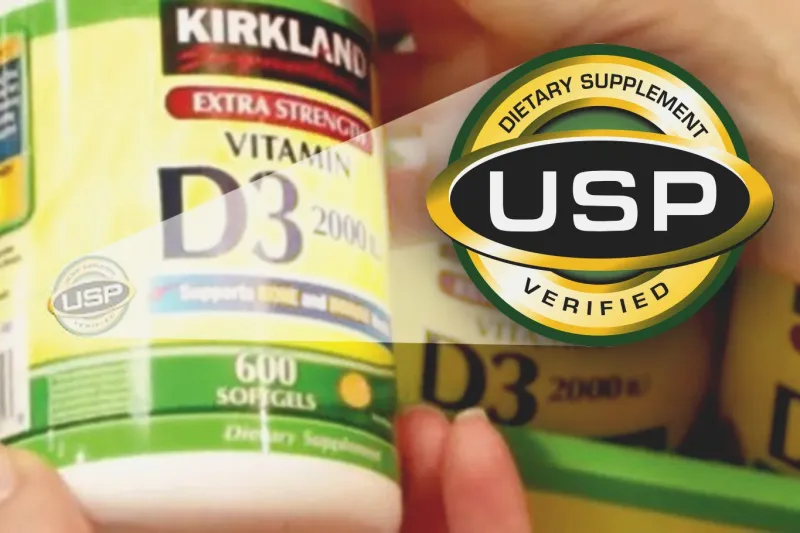
Photo: supplement bottle certification seal label close up, via www.optimusmedica.com
You've seen the little stamps on the bottle. NSF. USP. Informed Choice. They look official, they sound official, and most of us assume they mean someone in a lab coat checked the pills. But here's the thing: each seal tells a different story, and knowing the difference can save you from paying a premium for testing that doesn't cover what you actually care about.
Let's break down what these programs really do — and what they quietly leave out.
The Big Three, Compared
NSF Certified for Sport
NSF International is an independent organization that's been testing products since World War II era standards work. The "Certified for Sport" designation is the strictest of the bunch. It confirms three things: the product contains what the label says, in the amounts listed, and — critically — that it's been screened for banned substances on professional and collegiate athletic lists.
If you're a gym rat subject to drug testing, or you just want maximum assurance, this is the gold standard. The tradeoff? It's expensive for manufacturers, so fewer products carry it.
USP Verified
The United States Pharmacopeia's mark focuses on quality basics: identity, potency, purity, and good manufacturing practices. It does not screen for banned substances the way NSF Certified for Sport does. For everyday vitamins — a basic vitamin D3 or a multivitamin — USP is plenty. For competition athletes, it may not go far enough.
Informed Choice (and Informed Sport)
This program, run by LGC, is aimed squarely at athletes. Every batch is tested for banned substances, which is a big deal — some certifiers only test a sample, not every production run. Informed Sport is the UK-based sibling with essentially the same standards. If you see either logo on a protein powder or pre-workout, that's a meaningful signal.
What None of These Seals Tell You
Here's where the marketing gets sneaky. No third-party certification guarantees:
- That the product works. A supplement can be pure and accurately labeled and still do absolutely nothing.
- That the dose is the right dose for you. Testing confirms label claims, not clinical efficacy.
- That a vague "proprietary blend" is dosed properly. Certifiers verify against the label. If the label is vague, the verification is vague.
Also, watch for lookalike language. "Lab tested" or "quality assured" printed in a fancy font is not the same as an actual certification seal. Some brands design their own badges that mimic the real thing. If it's not NSF, USP, Informed Choice/Sport, or BSCG, be skeptical.
How to Check a Certificate of Analysis Yourself
More brands — especially smaller direct-to-consumer ones — skip formal certification and publish a COA instead. Here's how to vet one in five minutes:
- Find the COA. Look for a link on the product page, a QR code on the tub, or email the company. If they won't send one, walk away.
- Match the batch number. The COA must list a batch or lot number that matches the one printed on your actual bottle. A COA from a different batch is basically meaningless.
- Check who ran the test. It should be an accredited lab (look for ISO/IEC 17025 accreditation), not the brand's own "in-house" lab.
- Read the results column. For identity and potency, you want the tested amount to be within roughly 10% of the label claim. For heavy metals and contaminants, results should be below established safety limits — the COA should reference them.
- Check the date. A COA from three years ago doesn't tell you what's in the bottle you're holding today.
Who Passes and Who Doesn't
Some categories have embraced testing: creatine monohydrate, caffeine pills, and single-ingredient vitamins from major US retailers frequently carry NSF or USP marks, and store brands from Costco, Target, and Walmart often surprise people with their certification rates.
Where things get dicey: herbal blends, nootropics stacks, and anything sold primarily through Instagram ads. These products are the least likely to hold a recognized seal, and when COAs exist, they're often outdated or batch-mismatched. Ashwagandha gummies and exotic mushroom blends are repeat offenders.
The Bottom Line
A seal doesn't make a supplement effective, but it does make it honest. Start there. Match the certification to your needs — USP for everyday vitamins, NSF Certified for Sport or Informed Choice if banned substances are a concern — and learn to read a COA for everything else. Ten minutes of checking beats years of guessing what's actually in that tub.