Same Zinc, Different Price Tag: What You're Actually Paying For at $2 vs. $40
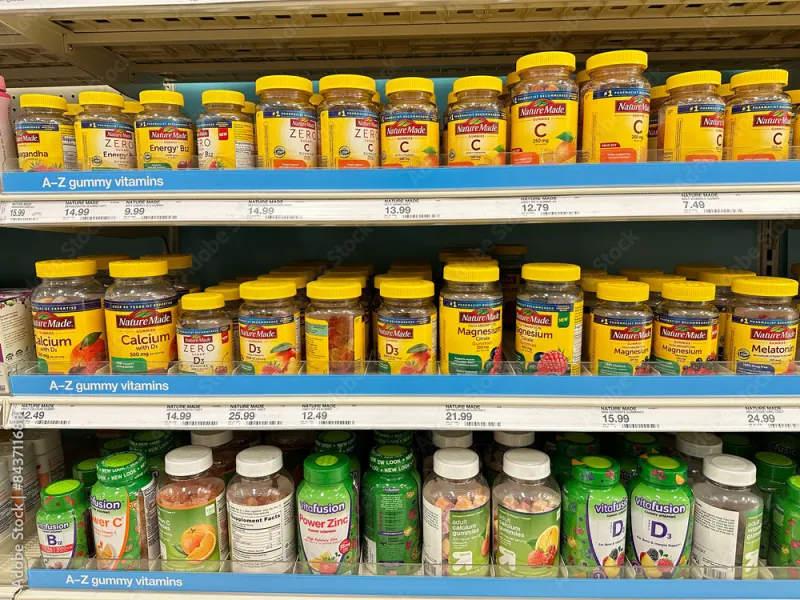
Photo: zinc supplement bottles pharmacy shelf price comparison, via as1.ftcdn.net
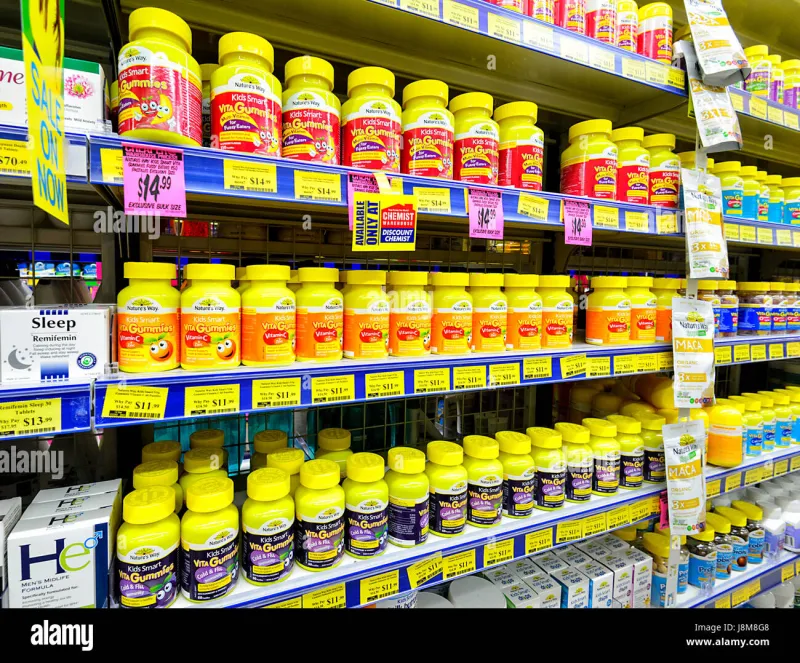
Walk into any Dollar General, Dollar Tree, or Family Dollar location in America and you'll find a vitamin aisle that would've been unthinkable a decade ago. Zinc, vitamin D, B-complex — the basics are all there, usually for less than the cost of a combo meal. Now walk into a mall kiosk, a wellness boutique, or scroll through an influencer's supplement line, and you'll find zinc capsules with the same elemental amount going for twenty times the price.
So what's going on here? Is the cheap stuff secretly garbage, or is the expensive stuff mostly packaging?
The honest answer: it depends, but probably less than either end of the market wants you to believe.
The Formula Is Often the Same. The Story Isn't.
Here's something that surprises a lot of shoppers: zinc oxide and zinc gluconate are commodity ingredients. They're bought on the open market, often from the same handful of contract manufacturers, whether they end up in a $1.50 bottle or a $40 one. The raw material cost difference between the two bottles might be pennies.
What changes dramatically is everything wrapped around the pill:
- Third-party testing and certification. NSF, USP, or Informed Choice seals cost real money — per-product, per-batch in some cases. That cost gets baked into the price.
- Marketing and commissions. Mall kiosks pay rent in expensive retail space. Influencer brands pay commissions, sponsorships, and ad spend. Someone's paying for that TikTok ad, and it's you.
- Proprietary form royalties. "Clinically studied" branded ingredients (the ones with ® symbols) license their name to manufacturers, which adds cost — sometimes justified, sometimes just a marketing hook.
- Packaging and shelf presence. Glass bottles, matte labels, and magnetic closure boxes aren't free.
None of these make the zinc inside work differently. But some of them — especially verification — do make the label more trustworthy.
Running the Numbers: Price Per Milligram Across Channels
Let's do some rough math using a common target: 25 mg of elemental zinc, taken short-term (more on dosing below).
| Retail Channel | Typical Price | Approx. Cost per 25 mg Dose |
|---|---|---|
| Dollar store | $1.25–$3 | 1–3 cents |
| Mass retailer (Walmart, Target, Costco) | $4–$10 | 3–8 cents |
| Pharmacy (CVS, Walgreens) | $7–$14 | 7–15 cents |
| Online DTC brand | $15–$25 | 15–35 cents |
| Mall kiosk / boutique | $30–$45 | 30–60+ cents |
Yes, that's a 20x spread for what is, chemically, the same mineral. The convenience channel is cheapest per dose, the boutique channel is priciest, and the middle — your Walmart or Costco shelf — often hits the sweet spot of low cost plus reasonable quality control.
When Paying More Actually Buys You Something
We're not going to tell you the expensive bottle is always a rip-off, because sometimes it isn't. Here's where a higher price can legitimately earn its keep:
1. Chelated or picolinate forms. Zinc bisglycinate costs more to produce than zinc oxide. Whether the absorption difference matters for a healthy person eating a normal diet is debatable, but the price premium reflects a real formulation choice.
2. Verified potency. A bottle with a current USP or NSF stamp has been independently checked to contain what the label claims. Dollar store brands vary — some are made by major contract manufacturers with solid QC; others are bottom-shelf white labels with spottier track records. The price doesn't tell you which is which. The seal does.
3. Cleaner excipients. Budget tablets sometimes use more fillers, binders, and coatings. If you have sensitivities or just prefer a minimal ingredient list, that's a fair reason to pay a bit more.
4. Dose transparency. Better brands specify elemental zinc clearly and avoid proprietary blend nonsense. That clarity is worth something when you're trying to avoid crossing into territory where zinc interferes with copper absorption.
When You're Just Funding the Overhead
If a product's main selling points are an aesthetic bottle, a celebrity endorsement, or the phrase "clinically studied" attached to an ingredient at a dose no study ever used — you're paying for theater. Zinc doesn't care about your unboxing experience.
One more note: zinc is not a take-it-just-because supplement. Long-term high doses can cause copper deficiency and, ironically, immune problems. Unless a doctor has flagged a deficiency, you probably don't need daily zinc at all — which makes the $40 version an even harder sell.
The SupplementFind Bottom Line
For basic minerals like zinc, the mid-tier mass retailers usually win: near-dollar-store pricing, decent quality control, and easy returns. Skip the kiosk unless it can show you a current third-party certificate — and honestly, ask anyway, even at the cheap stores. If they can't produce a CoA, that $1.50 bottle isn't a bargain. It's a gamble.
Pay for verification, not for vibes.