Queasy by 9 A.M.? The Iron in Your Prenatal Might Be the Culprit

Ask around in any prenatal yoga class or due-date group chat and you'll hear the same story on repeat: someone starts a prenatal vitamin, feels great for a week, and then the nausea goes from 'morning sickness' to 'why does 2 p.m. feel like morning?' A lot of women blame the prenatal itself and quit taking it. But more often than not, the real problem is one specific ingredient — iron — and more specifically, which iron.
Here's the thing most labels don't tell you: iron isn't one ingredient. It's a family of compounds that range from cheap and harsh to pricey and gentle, and the difference shows up in your gut.
Why Iron Hits Pregnant Stomachs So Hard
Pregnancy already slows digestion — progesterone relaxes smooth muscle everywhere, including your GI tract. Add iron, which is notoriously irritating to the stomach lining, and you've got a recipe for nausea and constipation that can make a rough first trimester genuinely miserable.
The kicker? The form of iron matters as much as the dose. A 27 mg serving of one type of iron can feel completely different from the same milligram count of another.
The Form-by-Form Breakdown
Ferrous sulfate. This is the workhorse of cheap supplements and prescription iron pills alike. It's well-absorbed and inexpensive, but it's also the form most associated with GI side effects — nausea, cramping, and the constipation that has half of pregnancy-hood clutching a stool softener. Because it dissolves quickly in the stomach, a lot of unabsorbed iron ends up sitting in the gut, feeding the bacteria that produce gas and discomfort.
Ferrous fumarate and ferrous gluconate. Slightly gentler cousins of sulfate, these show up in plenty of mid-priced prenatals. Fumarate packs a higher elemental iron percentage per milligram, which sounds great until you realize a higher elemental dose can also mean more GI drama. Gluconate is milder but weaker, so you'll often see larger doses of it.
Iron bisglycinate (chelated iron). This is the one to know. Bisglycinate is iron bound to the amino acid glycine, which changes how it's absorbed — it can slip through the gut via peptide pathways instead of relying on the acidic environment that releases harsher forms. Translation: less free iron floating around to irritate your stomach. Multiple small studies and a pile of clinical experience suggest meaningfully fewer GI side effects at equivalent doses.
Iron polysaccharide complexes and heme iron polypeptide. These show up in premium formulas. They're gentle, though heme-derived options raise questions for vegetarians, and polysaccharide forms are sometimes criticized for inconsistent absorption. Fine choices, but bisglycinate usually wins the value-versus-tolerance contest.
What OB-GYNs Actually Say
Talk to obstetricians and you'll hear a consistent theme: the best prenatal is the one you'll actually take. Many providers openly recommend switching to a chelated-iron formula — or temporarily splitting the dose, taking the vitamin with a small snack rather than on an empty stomach, or taking iron every other day — before writing a prescription for anti-nausea meds. (One caveat: don't take your prenatal with dairy or calcium-fortified juice; calcium competes with iron for absorption.)
And if your iron levels are genuinely low, don't just swap supplements and hope — your doctor may still want a dedicated iron protocol, and that's a conversation worth having with real bloodwork behind it.
Your Buyer's Guide to a Stomach-Friendly Prenatal
When you're standing in the supplement aisle (or scrolling at 2 a.m.), here's the checklist:
- Look for 'iron bisglycinate' or 'ferrous bisglycinate' on the Supplement Facts panel — not just the word 'iron' with a milligram amount. If the label hides iron inside a proprietary blend, walk away.
- Check the elemental dose. Most US prenatals land around 27 mg of elemental iron, which matches the CDC's recommendation for pregnancy. If you're not anemic, some clinicians are fine with less.
- Watch the vitamin C. Some formulas add it to boost iron absorption, which is smart — unless it's triggering reflux on its own.
- Skip the mega-B6-as-a-band-aid approach. B6 genuinely helps nausea, but some prenatals load it up to offset a harsh iron form. Better to fix the iron.
- Third-party seals matter. Look for USP, NSF, or Informed Choice verification — pregnancy is not the time to gamble on unverified labels.
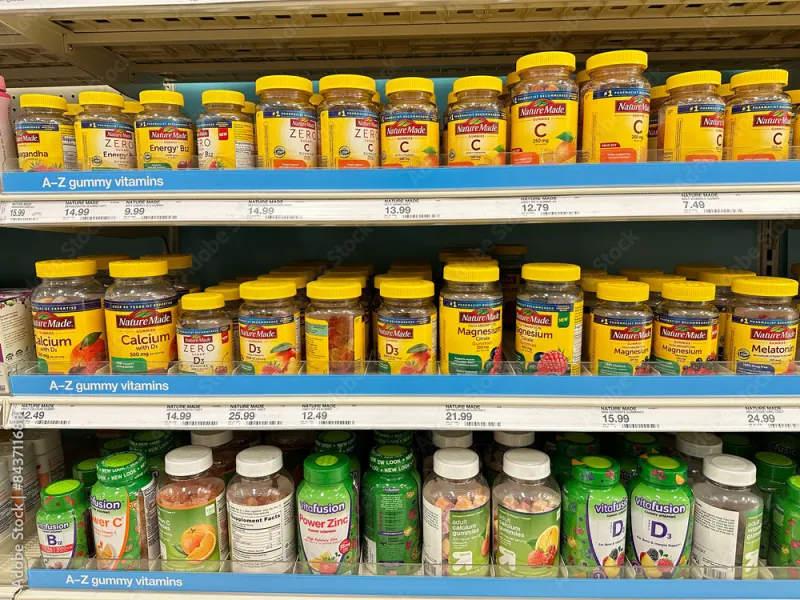
- Consider a gummy only as a last resort. Most gummy prenatals contain little or no iron (it's hard to stabilize), which solves the nausea problem by skipping the nutrient entirely. Fine short-term, but not a long-game plan if you're borderline anemic.
The Bottom Line
If your prenatal has turned every morning into a gamble, don't quit the habit — audit the label. Ferrous sulfate at 27 mg is a very different experience from 27 mg of chelated bisglycinate, and the price gap between the two is often just a few dollars a month. Your red blood cells can't tell the difference. Your stomach absolutely can.