The $8 Secret Hiding in the Pharmacy Aisle: Are Drugstore Store Brands the Smartest Supplement Buy in America?

There's a hierarchy most supplement shoppers have internalized by now: boutique brands are for enthusiasts, Costco is for smart people, and the drugstore shelf is for emergencies — you ran out of vitamin D, you're already at CVS picking up tissues, and $12 seems like a fair tax on convenience.
But what if that last tier isn't the tax we all assume it is? We pulled the labels, third-party testing data, and per-serving math on house brands from CVS, Walgreens, and Walmart and lined them up against Kirkland Signature and a few direct-to-consumer favorites. The results made us rethink the whole map.
The Sticker Shock Works in Both Directions
Yes, drugstore store brands cost more per serving than a 300-count Kirkland jug. A CVS Health vitamin D3 2000 IU bottle might run you around 8 cents per day versus Costco's 2 or 3 cents. But here's the part nobody mentions: the absolute difference is pocket change, and the drugstore bottle is 100 counts, not a supplement commitment the size of a fire extinguisher.
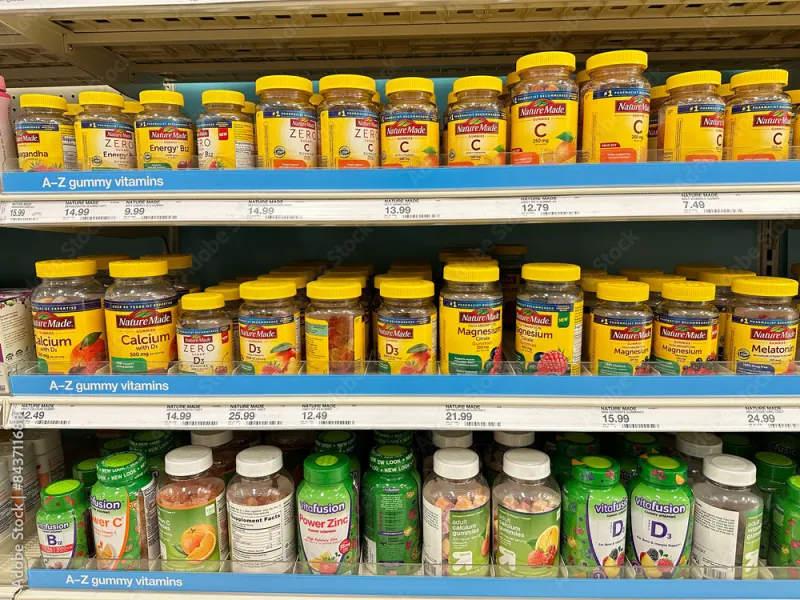
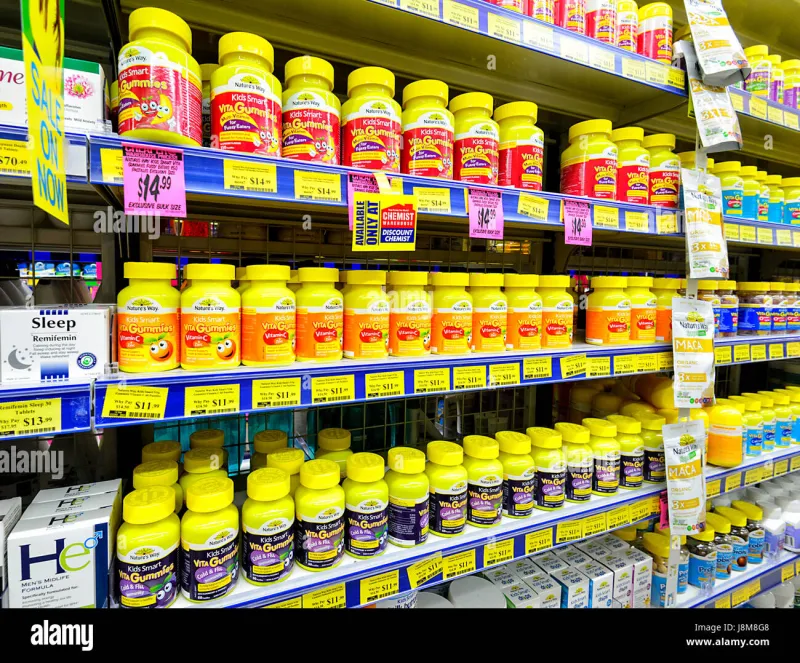
The real markup problem at pharmacies is with the branded products sitting next to the store brand — the $30 gummy multis and the celebrity-endorsed collagen. The house brands are usually priced to compete, not to gouge. They're the loss leaders of the vitamin aisle.
What's Actually Inside the Bottle
Here's the unglamorous truth about vitamins in the US: a huge share of store-brand supplements — including CVS Health, Walgreens' brand, and Walmart's Equate — come from a handful of large contract manufacturers, some of the same facilities that produce national brands. Formulas are frequently close to identical: same nutrient forms, same doses, same excipients.
That doesn't mean every shelf is equal, though. A few things worth checking before you grab the cheapest bottle:
- Nutrient form. Magnesium oxide versus magnesium glycinate is a meaningful difference, not a branding one. Store brands sometimes cut corners here.
- Third-party verification. Look for USP or NSF marks. Several drugstore house brands carry USP verification — which is more than some $60 Instagram supplements can say.
- Dose sanity. A drugstore B-complex with 5,000% Daily Value of B12 isn't superior; it's just loud.
Where the Drugstore Genuinely Wins
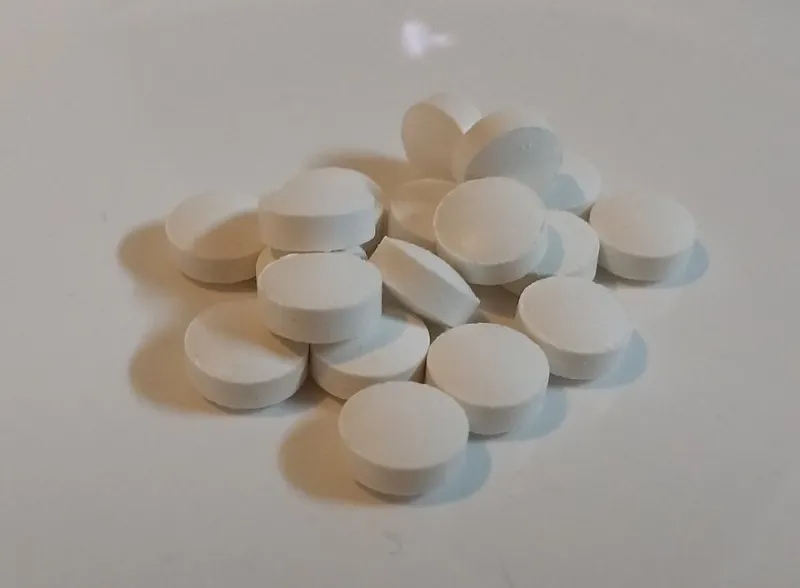
Basic single-nutrient vitamins. Vitamin D3, vitamin C, B12, calcium — these are commodity molecules. If the label shows the right form and dose and carries a verification seal, the pharmacy generic is every bit as good as anything at twice the price. Bonus: you can often use store rewards programs to knock the price down further.
When you need it today. There's real value in not waiting five days for shipping or committing to a 240-serving tub of something you haven't tested yet. Trying a new supplement? A $9 drugstore bottle is a low-risk trial run.
Travel and backup supply. Small counts, widely available, easy to replace anywhere in the country.
Where Costco Still Runs the Table
For anything you take daily and indefinitely — fish oil, vitamin D, a basic multivitamin — the warehouse club's per-serving math is unbeatable, and Kirkland's quality-control reputation (they contract with major manufacturers and test aggressively) is earned. If you're disciplined about reordering, buying a year's supply at Costco saves real money.
The catch: bulk only works if you'll actually finish it. Protein powder and fish oil both have shelf-life clocks ticking, and a two-year supply of anything perishable is a donation, not a deal.
Your Tiered Shopping Cheat Sheet
We'll keep it simple:
Buy at the drugstore: single vitamins you take occasionally, trial-size experiments, anything you need today, travel backups.
Buy at the warehouse club: daily long-haul staples — D3, omega-3s, your everyday multi — assuming you'll use it all before it expires.
Worth a splurge online: supplements where formulation actually matters — chelated minerals, third-party-tested pre-workouts, probiotics with guaranteed CFU counts at expiration. The pharmacy and warehouse shelves mostly don't carry the good versions of these yet.
The Bottom Line
The drugstore vitamin aisle isn't the overpriced consolation prize we've all been treating it as. For the workhorse supplements, the pharmacy house brand is often the same pill as everything else on the market — just sold in a smaller bottle at a slightly higher per-unit price you'll never actually feel. Spend your comparison-shopping energy where formulation differences are real, and let the pharmacy shelf handle the rest.