Sniff Test Survival Guide: Is Your Fish Oil Secretly Spoiled?
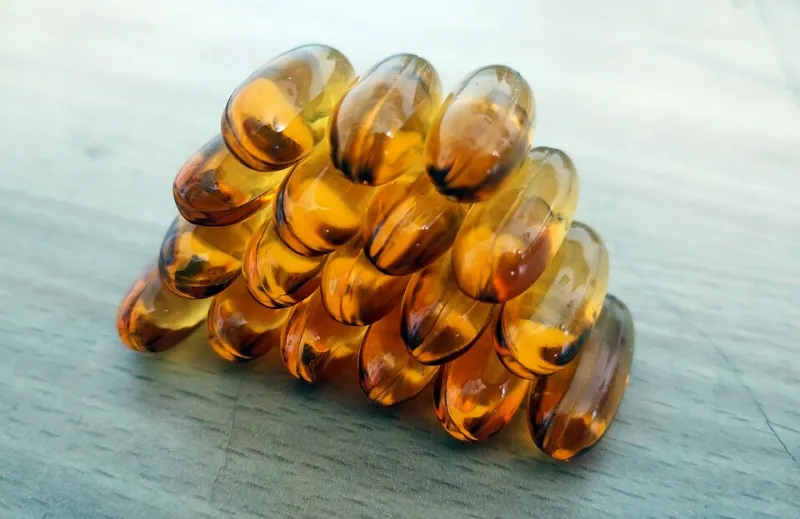
Photo: Gpkp, CC BY-SA 4.0, via Wikimedia Commons
Fish oil is the most lied-about product in the supplement aisle. Not because the label is false — the EPA and DHA numbers are usually legit — but because nobody talks about what happens after the oil leaves the fish. Omega-3s are incredibly fragile fats, and once they oxidize, you're swallowing stale oil with a side of disappointment.
If you've ever gotten a fishy burp from a capsule, you may have assumed that's just how fish oil works. It isn't. Fresh, high-quality fish oil shouldn't taste or smell like much of anything. That burp? Often your first clue the oil has already turned.
Why Oxidation Is the Silent Killer of Omega-3s
Omega-3 fatty acids are polyunsaturated, which is a polite way of saying their molecular structure falls apart when exposed to oxygen, heat, or light. When that happens, the fats break down into compounds called aldehydes — the same family of chemicals that makes old cooking oil smell like a forgotten fryer.
Here's the uncomfortable part: research on retail fish oil supplements has repeatedly found oxidation levels well above recommended limits. One widely cited analysis tested products off store shelves and found a meaningful share exceeded the industry's accepted peroxide thresholds. Translation: the problem isn't rare, and it isn't limited to bargain-bin brands.
Oxidized oil doesn't just taste bad — it loses potency. The EPA and DHA you're counting on degrade along with the flavor, so a rancid capsule may deliver a fraction of what the label promises.
The TOTOX Number You've Never Heard Of
Flip over a good fish oil label and you might spot something like "TOTOX: <5" or "peroxide value: <3 meq/kg." These aren't marketing fluff — they're oxidation measurements.
- Peroxide value (PV): measures early-stage oxidation. Lower is better; under 5 meq/kg is the common benchmark.
- Anisidine value (AV): measures later-stage oxidation, the kind that lingers even after processing.
- TOTOX: total oxidation, calculated as (2 × PV) + AV. The industry guideline caps it at 26, but quality-focused brands aim far lower — single digits is a strong sign.
If a brand publishes these numbers (ideally with a batch-specific certificate of analysis you can actually find on their website), that's a meaningful trust signal. If they don't? They might still be fine, but you're buying blind.
At-Home Tests That Actually Work
You don't need a lab to catch a spoiled product. Try these before committing to a full bottle:
1. The bite test. Bite into a capsule (or pierce it and squeeze the oil onto a spoon). Fresh fish oil tastes mildly oily, maybe slightly briny — like a whisper of the ocean, not the docks. A sharp, bitter, metallic, or paint-like taste means oxidation. Spit it out and return the bottle.
2. The sniff check. Crack open a capsule and give it a whiff. Rancid oil smells like old crayons, cardboard, or strong fish funk. Fresh oil is nearly odorless.
3. The visual sweep. Clear capsules with no cloudiness or discoloration. If the oil looks dark, murky, or the capsules are stuck together in a soft lump, heat exposure has likely done its damage.
4. The burp audit. If you've already been taking it, fishy reflux that gets worse over the course of the bottle is a classic oxidation signal — the oil degrades as the bottle sits open.
Ranking Packaging and Storage Formats
How your fish oil is packaged matters almost as much as what's inside. From best to worst:
1. Triglyceride-form oil in nitrogen-flushed, opaque softgels. Nitrogen flushing removes oxygen at bottling, and dark or opaque capsules block light. Many premium brands do this.
2. Enteric-coated or lemon-flavored capsules. These can mask taste — but be warned, masking is a double-edged sword. A flavored capsule can hide rancidity, so rely on the bite test at purchase.
3. Bulk bottles of 200+ softgels. Every time you open the bottle, oxygen floods in. By capsule 180, you're likely consuming noticeably degraded oil. If you buy big, split the bottle into airtight jars and freeze what you're not using.
4. Clear plastic bottles under bright store lighting. The single worst combo. Light plus heat plus oxygen is the oxidation trifecta.
5. Fish oil gummies. Gummies oxidize faster than capsules, often contain a fraction of the advertised EPA/DHA, and sit in warm delivery trucks. Skip them unless you genuinely can't swallow a pill.
At home, treat fish oil like olive oil's high-maintenance cousin: keep it cool, dark, and sealed. Refrigeration is fine for capsules; freezing is even better for long-term storage and doesn't hurt the oil.
What to Look for on Your Next Purchase
Before checkout, run through this quick checklist:
- TOTOX or peroxide values published (and ideally batch-tested)
- Third-party verification from IFOS, USP, or NSF
- Triglyceride or phospholipid form rather than synthetic ethyl ester when budget allows
- Opaque packaging, small bottle sizes if you're a slow consumer
- A sell-by date at least a year out, printed — not smudged
Fish oil can be a genuinely useful supplement, especially if you're not eating fatty fish twice a week. But an oxidized capsule is a waste of money at best. Trust your nose, read the fine print, and when in doubt — bite first, swallow second.