Energy Drink Marketing Got You Popping B12? Here's Why a Blood Test Should Come Before the Bottle
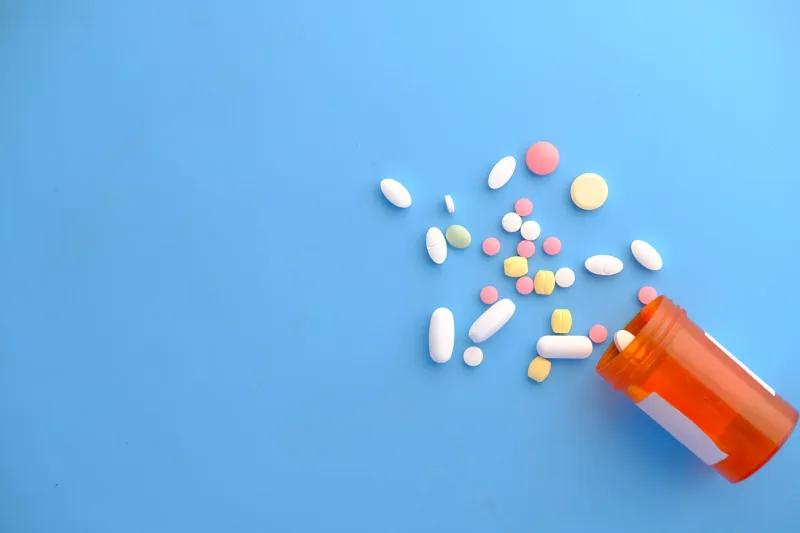
Walk down the supplement aisle at any Walmart or Walgreens in America and you'll see it: B12 slapped on energy drinks, gummies, and 5,000-megagram bottles like it's the secret to waking up alive. The marketing implies that if you're tired — and who isn't? — you're probably B12 deficient.
Here's the reality check: true B12 deficiency is surprisingly uncommon in the general US population. Most of us eating a typical American diet get plenty from meat, eggs, dairy, and fortified cereals. But for certain groups, B12 supplementation isn't optional — it's genuinely important. The trick is knowing which camp you're in before you spend a dime.
Who Actually Needs to Supplement B12
There are three main groups where a B12 supplement makes real, evidence-backed sense:
Vegans and strict vegetarians. B12 comes almost exclusively from animal products. If you've been plant-based for a while without supplementing, your body is running on liver stores — which can take years to deplete, but will deplete. A supplement or reliably fortified foods are non-negotiable here.
Adults over 50. Roughly 10 to 30% of older adults have trouble absorbing B12 from food because stomach acid production declines with age. Notably, the NIH recommends that people over 50 get most of their B12 from supplements or fortified foods for exactly this reason. Your doctor may have already mentioned this at your annual physical.
People on metformin or acid reducers. Long-term metformin use (the workhorse diabetes drug) and proton pump inhibitors like omeprazole both interfere with B12 absorption. If you take either daily, this is worth a conversation with your physician — not a reason to panic, just a reason to get tested.
Notice what's not on that list: "I'm tired." Fatigue has a hundred possible causes, and B12 is only one of them. Which brings us to the testing question.
Why Guessing Beats Testing (and Why That's Backwards)
B12 deficiency symptoms — fatigue, brain fog, tingling hands and feet — are vague enough to describe basically anyone having a rough Tuesday. Self-diagnosing off a symptom checklist is how people end up taking supplements they don't need while the actual cause goes unaddressed.
A serum B12 blood test is cheap, often covered by insurance, and commonly included in standard panels. Many labs flag anything under ~200 pg/mL as deficient, with a gray zone between 200 and 300 where your doctor might order a follow-up test. The point isn't the exact cutoff — it's that you can know, rather than guess.
One more reason testing matters: if you are deficient, the cause matters as much as the number. Pernicious anemia, absorption issues, or dietary gaps all call for different approaches, and some require medical treatment rather than a drugstore bottle.
Reading the Label: When 5,000% DV Is a Red Flag
Here's something that surprises people: B12 toxicity is essentially a non-issue. It's water-soluble, and your body excretes what it doesn't use. So a mega-dose won't hurt you — it'll just mostly end up in your urine, which is a poetic way to describe flushing money down the toilet.
The RDA is a tiny 2.4 mcg for adults. Yet bottles routinely tout 1,000 to 5,000 mcg — thousands of times the daily need. Why? Because absorption from supplements is inefficient (often under 2% at high doses), and because big numbers sell. There's no evidence that a 5,000 mcg lozenge makes you feel better than a sensible 250–500 mcg dose if you actually need supplementing.
When you're shopping:
- Look for the active forms — methylcobalamin or cyanocobalamin are both fine; cyanocobalamin is the cheaper, well-studied standard.
- Check for third-party certification — USP or NSF seals tell you the bottle contains what the label claims.
- Ignore the megadose arms race. If you're deficient, even modest doses correct it. If you're not, no dose will give you energy you're not missing.
The Bottom Line
B12 isn't snake oil — for vegans, adults over 50, and people on metformin or long-term acid blockers, it's one of the few supplements with a genuinely strong case. But the energy-drink-fueled hype has convinced millions of people with normal B12 levels that a lozenge is the answer to their afternoon slump.
Get the blood test. It's faster than reading another label, cheaper than a year of supplements, and unlike that 5,000 mcg bottle, the results will actually tell you something.
This article is for informational purposes only and isn't medical advice. Talk to your healthcare provider before starting or changing any supplement, especially if you take medications.