Time to Raid the Cabinet: Your Weekend Plan for Sorting Out Expired Vitamins and Sketchy Fish Oil
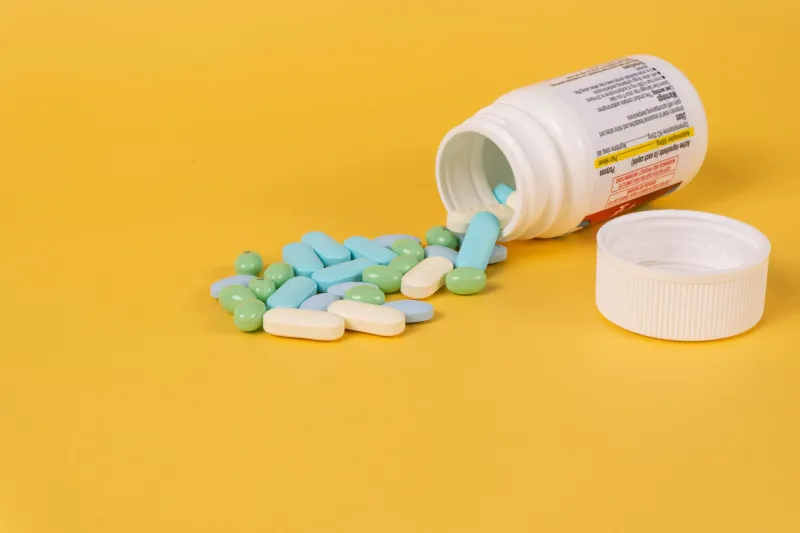
Be honest for a second: when's the last time you actually checked the dates on the bottles in your supplement cabinet? If you're like most people we hear from, the answer is somewhere between "never" and "was I supposed to?"
We get it. Supplements don't come with the same urgency as milk or eggs. But powders oxidize, oils go rancid, gummies turn into science experiments, and capsules quietly lose potency in a humid bathroom. So grab a trash bag and clear an hour this weekend. Here's the full rundown.
Step One: Pull Everything Out (Yes, Everything)
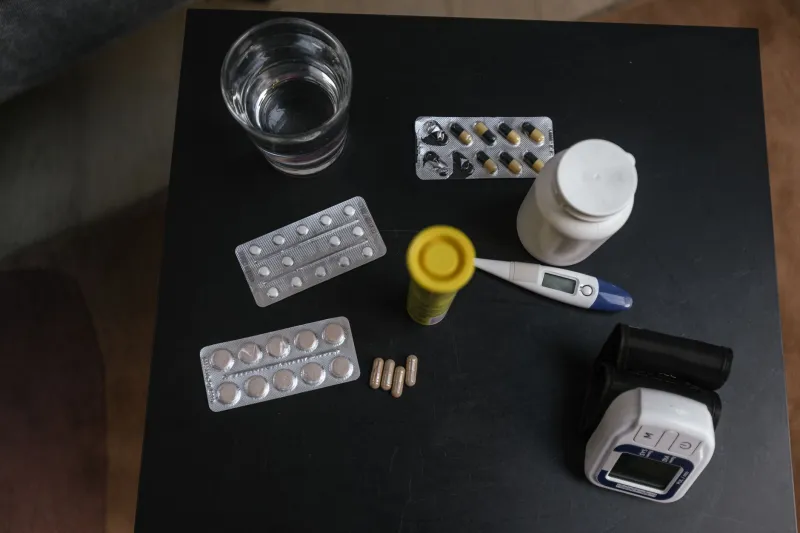
Don't do this bottle by bottle — you'll lose the will to live halfway through. Empty the entire cabinet onto the kitchen counter. You need to see the whole collection in one place, including the random sample packs stuffed behind the Tylenol and the protein bar drawer situation.
Sort everything into a few rough piles: daily drivers, occasional-use stuff, and the "why do I still have this" pile. That third pile is where the real work happens.
Step Two: The Date Check
Every supplement sold in the US carries a "best by" or expiration date, usually stamped on the cap, bottom, or the crimped edge of the label. If the bottle is so old the date has worn off, that's your answer right there — it goes.
A few things worth knowing:
- Expired isn't automatically dangerous, but it's often less effective. Vitamins degrade over time, and degraded vitamin C does exactly nothing for you.
- Oils are the exception. Expired fish oil isn't just weak — it can be genuinely rancid. If it smells like old crayons or a bait shop, it's done. Our sniff test guide covers this in more depth.
- Probiotics are living things with a shelf life. An expired probiotic is basically an empty capsule with good intentions.
Step Three: The Sensory Inspection
Dates aside, give each bottle a once-over. Toss anything with:
- Clumped powder or capsules stuck together
- Discoloration (white capsules turning yellow is a red flag)
- A broken seal or a cap that never quite closed right
- Any smell that makes you pause — trust that instinct
- Gummies that have melted into a single mass or grown a sugar crust like a stale marshmallow
Cotton balls and desiccant packets belong in the trash, not back in the bottle. They actually trap moisture after the seal is broken.
Step Four: Store the Survivors Like You Mean It
The bathroom medicine cabinet is arguably the worst place in your house for supplements. Heat, humidity, and steam from the shower break down active ingredients faster than almost anything else.
Better options:
- A cool, dry kitchen cabinet away from the stove and dishwasher
- The bedroom dresser — dark, dry, and temperature-stable
- Original bottles, always. Amber plastic exists for a reason; pretty countertop jars let in light and moisture
- Refrigerate oils and probiotics if the label says so (and even some that don't)
One more tip: write the date you opened each bottle on the cap with a Sharpie. Most opened supplements are best used within six months to a year, and "opened last March" is a lot more useful than a factory date.
Step Five: Ditch the Dead Weight — Responsibly
Here's where a lot of well-meaning people go wrong: flushing vitamins or tossing loose pills in the trash. Flushing them sends compounds into waterways, and loose pills in the garbage can be dug out by kids or pets.
Your better options:
- Drug take-back programs. Many CVS, Walgreens, and independent pharmacies have disposal kiosks — check the DEA's take-back locator for one near you.
- National Prescription Drug Take Back Day happens twice a year and accepts supplements at most sites.
- If trash is your only option, mix pills with used coffee grounds or kitty litter in a sealed bag so nobody fishes them out. Keep bottles intact but peel off or black out your personal info.
Your Quick Decluttering Checklist
Print this or screenshot it:
- Empty the cabinet completely
- Check every expiration date
- Smell-test all oils
- Inspect for clumping, discoloration, broken seals
- Toss anything with no readable date
- Relocate survivors to a cool, dry spot
- Write opened dates on caps
- Drop-offs at pharmacy take-back bin
- Restock intentionally — buy what you'll actually finish
The Real Fix: Buy Smaller, Buy Smarter
Decluttering once is great. Not needing to do it again next year is better. The biggest driver of expired supplement waste is buying the 300-count jumbo bottle because it was on sale — then forgetting it exists by week three.
Buy the size you'll realistically finish, keep the list short, and only restock what you've actually been taking. Your cabinet stays lean, your money stays in your wallet, and everything you reach for actually works. That's the whole game.