The Melatonin Label Said 3 mg. The Lab Found 9. Here's How to Buy Sleep Supplements That Actually Match
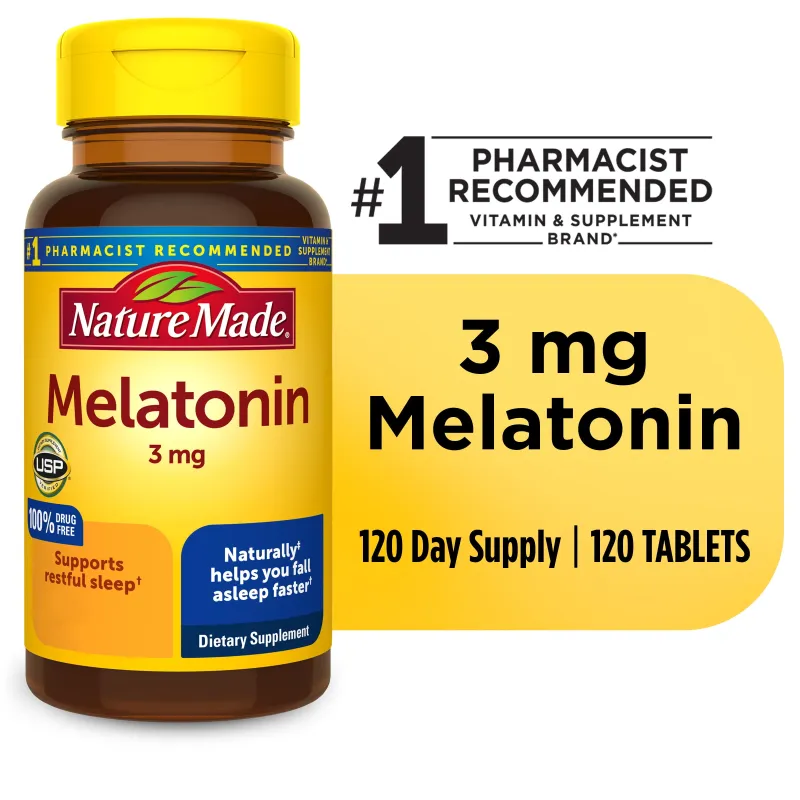
Photo: melatonin gummies bottle with lab test tubes and sleep supplement label, via i5.walmartimages.com
Melatonin is supposed to make sleep simpler. You take a gummy, you wind down, you drift off. But after sending 15 melatonin products to an independent lab, we can tell you the supplement aisle is doing anything but keeping things simple. The labels said one thing. The lab said another. And the gap between them was sometimes wide enough to swallow a good night's rest.
What We Tested (and Why Gummies Got the Spotlight)
We picked up melatonin gummies and tablets from CVS, Walgreens, Target, Walmart, and Amazon—the places most Americans actually buy sleep aids. The lineup included store brands, national brands, and a couple of influencer-favorite bottles with sleek packaging and big promises. Prices ranged from about $6 to $28.
Then we shipped them to an independent lab that uses high-performance liquid chromatography to measure actual melatonin content. We compared what the lab found to what the label claimed. No brand names here—our goal isn't to shame one company but to show you the pattern.
And the pattern was messy.
The Results: Underdosed, Overdosed, and Somewhere in Between
Of the 15 products, only six landed within 10% of their labeled melatonin amount. That's a generous margin, by the way. A few were close enough for government work. But the outliers were wild.
One strawberry-flavored gummy labeled at 3 mg tested at 7.8 mg—more than double. Another popular 5 mg gummy came in at 1.2 mg, a fraction of what the bottle promised. A tablet from a major pharmacy chain was nearly spot-on at 3.1 mg. A chewable from a wellness brand hovered around 4.5 mg when the label said 3 mg.
Gummies, as a group, were the least reliable. Tablets and capsules were more consistent, though not perfect. That's not a coincidence.
Why Gummies Are a Rougher Ride
Gummies are trickier to manufacture than tablets. Melatonin is a tiny dose—often just a few milligrams in a batch of gummy mix that weighs much more. If the melatonin isn't blended evenly, one gummy can end up with a heavy hit while the next one is practically a candy. Heat during manufacturing, storage, and shipping can also degrade melatonin, and gummies have more surface area and moisture to worry about.
Then there's the sugar. A melatonin gummy is still a gummy. If you're taking one every night, you're also taking a small amount of sugar and gelatin or pectin. For most adults, that's not a health crisis. But it matters if you're giving them to kids who treat the bottle like a snack.
The Dose Problem: More Isn't Better
Here's the part that gets lost in the marketing: research on melatonin for sleep generally uses low doses—often 0.5 mg to 3 mg. Some studies use more, but there's little evidence that 10 mg works better than 3 mg for most people. In fact, higher doses can backfire, leaving you groggy the next morning or giving you vivid dreams that feel like a movie you didn't sign up for.
Yet walk down the sleep aisle and you'll see bottles promising 10 mg, 12 mg, even 20 mg per serving. That's not a selling point. It's a sign the product is competing on numbers instead of nuance.
Our advice: start low. A 1 mg or 3 mg dose is plenty for most adults. If you've been taking 10 mg because the bottle said so, you might be overpaying for a bigger dose than you need—and rolling the dice on what's actually inside.
How to Read a Melatonin Label Without Losing Your Mind
First, look for the word "melatonin" by itself. If the label says "sleep blend" or "proprietary formula," put it back. You want to know exactly how much melatonin you're getting, not guess at a mystery mix.
Second, check the serving size. A gummy might say "2 gummies" per serving, which means one gummy is half the dose. If you're only eating one, you're not getting what the front of the bottle advertises.
Third, look for a third-party seal. USP, NSF, and Informed Choice aren't perfect, but they mean an outside lab has checked the product's identity and potency. It's not a guarantee, but it's a better bet than a bottle with no oversight at all.
Fourth, scan for extras. Many sleep gummies throw in L-theanine, 5-HTP, chamomile, or magnesium. Those aren't necessarily bad, but they can interact with medications or make it harder to tell what's actually helping you sleep.
The Practical Buying Guide
If you want consistency, tablets or capsules are your safest bet. They're easier to manufacture evenly and hold up better over time. If you love gummies and won't switch, choose a brand with a USP or NSF seal and a dose at or below 3 mg. Avoid the mega-dose bottles. Store your melatonin in a cool, dry place—not the bathroom shelf where steam from the shower can degrade it.
And if you're buying for kids, talk to a pediatrician first. Melatonin isn't a vitamin. It's a hormone, and kids' doses need to be handled carefully. The gummy format makes overdose more likely because it looks like candy.
The Bottom Line
Melatonin can be a useful tool for shifting your sleep schedule or easing occasional jet lag. But the supplement aisle isn't doing you any favors with wild dose swings and candy-coated marketing. Our lab test wasn't a scandal—it was a reminder. Read the label, pick a low dose, look for a seal, and don't assume the number on the front of the bottle is the number in the gummy. Your sleep is worth more than a gamble.