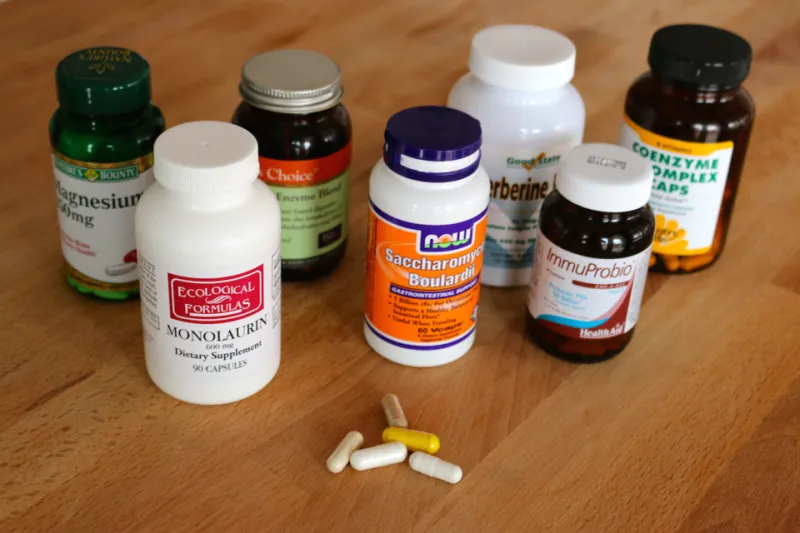
60 Capsules, 15 Days: The Back-of-Bottle Math That Changes What You Pay
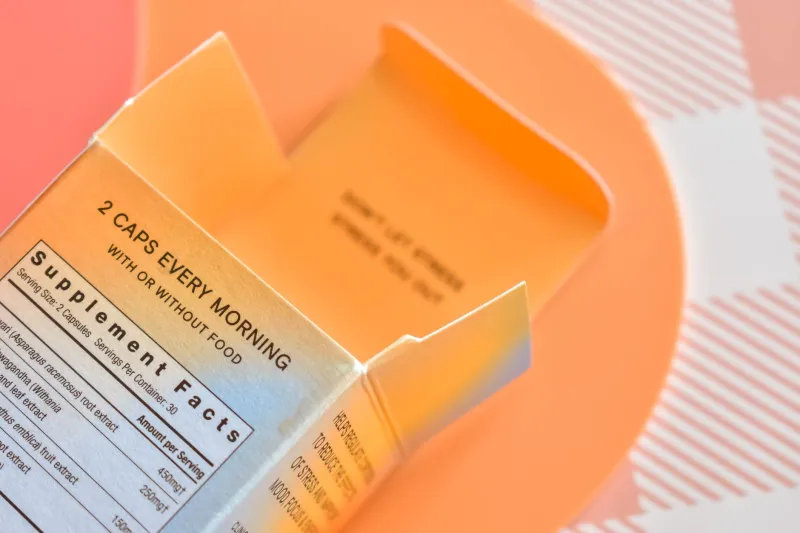
The number on the front is not the number in your mouth
You pick up a bottle of berberine, see '500 mg' in big type, and do a quick mental calculation: 60 capsules, one a day, two months of support for $24.99. Not bad.
Then you flip the bottle over. The Supplement Facts panel says the serving size is three capsules. Suddenly that 60-count bottle is a 20-day supply, not a 60-day one. And the '500 mg' on the front is really a per-capsule number being used as a billboard, while the amount you actually swallow is 1,500 mg. The math on the front and the math on the back are telling two different stories.
This is one of the most common quiet costs in the supplement aisle, and it shows up across price points. It is not always sinister. Sometimes a formula genuinely needs multiple capsules to hit a studied dose. But as a shopper, you need to know which game the bottle is playing before you compare it to the bottle next to it.
Serving size is the real unit of value
Supplement labels are built around servings, not capsules. The serving size is the amount the manufacturer uses for every number on the panel: the vitamin amounts, the herbal extract doses, the 'other ingredients' list, and the servings-per-container count.
That last number is the one to find first. It tells you how many times you can take the labeled serving before the bottle runs out.
Here is the simple audit:
- Find the serving size. Is it one capsule, two capsules, three, four gummies?
- Find the servings per container. That is how many days the bottle lasts if you take one serving daily.
- Divide the bottle price by the servings per container. That is your real cost per day.
A $30 bottle with 60 servings is 50 cents a day. A $24 bottle with 20 servings is $1.20 a day. The cheaper bottle is more than twice as expensive in practice.
If your daily target requires more than one serving, do the math again. A bottle with 30 servings that asks for two servings a day is really a 15-day bottle. This is how a 60-count product can evaporate in two weeks.
Where the two-step, three-step, and four-step labels show up
Multivitamins
Multivitamins are a classic example because the word 'one' is baked into so many product names. But plenty of multis ask for two tablets or even three. That is not automatically a bad formula. A large-dose multivitamin may not fit into a single reasonable tablet. Still, compare the servings-per-container number, not the tablet count. A 120-tablet bottle that asks for three tablets daily is a 40-day supply. A 90-tablet bottle that asks for one tablet daily is a 90-day supply. The tablet count alone tells you almost nothing.
Berberine
Berberine is usually sold in 500 mg capsules, and many formulas direct you to take two or three capsules per serving to reach a higher daily amount. That can be legitimate. It can also make a bargain bottle look cheaper than it is. A 60-count bottle at three capsules per serving is 20 servings. If you take one serving daily, that is about three weeks. Compare that to a 120-count bottle at the same serving size, and the cost per day may flip your decision.
Creatine gummies
Creatine gummies are a useful case study because the dose is limited by the gummy itself. A single gummy cannot hold a full 3 to 5 gram serving of creatine monohydrate without becoming a very large piece of candy. So labels often set the serving at three, four, or even more gummies. That is why a tub of gummies can look like a month of supply until you read the back and realize you are supposed to eat a small handful every day. Powdered creatine monohydrate may be less convenient, but the cost-per-gram math is usually much friendlier. If you prefer gummies, compare cost per actual gram of creatine, not cost per gummy.
Mushroom blends
Mushroom supplements often use a two-capsule serving, and some blends push that to three. The front label may highlight a fancy extract name or a big milligram number, while the back panel reveals that the number applies to the full multi-capsule serving. Check whether the mushroom extract amount is per capsule or per serving, and check how many servings the bottle contains. A 90-capsule bottle at three capsules per serving is only 30 servings.
The fair exceptions
Not every multi-capsule serving is a trick. Some ingredients are simply bulky. A formula that needs 1,500 mg of an extract may require three 500 mg capsules unless the manufacturer uses a larger pill or a powder. The key is whether the label is transparent about it. If the front of the bottle says '500 mg' but the serving is three capsules and the panel shows 1,500 mg per serving, the information is there. You just have to read it before you buy.
The problem is when the front-of-bottle number is presented as if it is the daily dose, and the back panel quietly multiplies the serving size. That is where comparison shopping goes sideways.
A five-minute shelf audit
Before you add anything to your cart, do this:
- Turn the bottle around and find the serving size.
- Find the servings per container.
- Divide the price by the servings per container to get cost per serving.
- If you take more than one serving daily, divide again by your daily servings.
- Compare that final cost-per-day number to the competing bottle.
That last step is the one most people skip. It is also the one that makes the difference between a good deal and a bottle that quietly costs twice as much as it first appears.
The bottom line
Serving size is not a technicality. It is the unit that determines how long the bottle lasts, how much you actually take, and what you are really paying. A 60-count bottle can be a two-month supply or a two-week supply depending on what the back label asks you to do. In 2026, with supplement prices still climbing and more products competing for shelf space, the smartest move is boring and fast: flip the bottle, find the servings, and compare cost per daily dose. The front label is marketing. The back label is the receipt.